


Ski Injuries: How to Prevent Them and Speed Up Recovery
The experience of skiing is truly unique: the crunch of fresh snow, the sense of momentum, the crisp mountain air — all at once relaxing and energizing.
Yet every season, many people find themselves sidelined with knee pain, unstable ankles, or sharp pain radiating into the shoulder. The wave of winter sports-related injuries returns year after year, and it’s not always just bad luck.
An unprepared body, skipped warm-ups, poor muscle control, and fatigue all significantly increase the risk of ski injuries.
The most common ski injuries
Among the most frequent issues, knee injuries are by far the most common — particularly damage to the anterior cruciate ligament (ACL) and the medial collateral ligament (MCL).
If you experience sudden sharp pain, instability, or rapid swelling while skiing, one of these stabilizing structures may be affected.
Shoulder injuries are also common, including dislocations and rotator cuff involvement, especially after a bad fall.
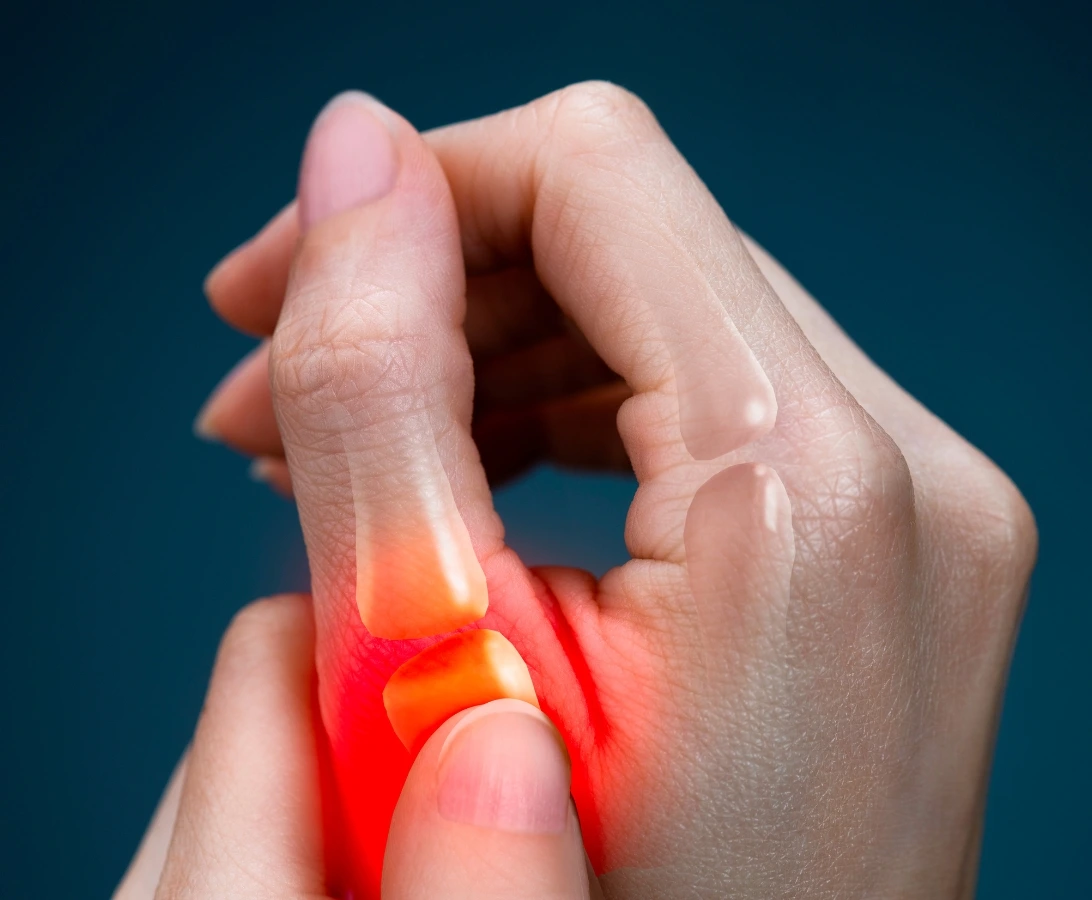
And then there’s the well-known “skier’s thumb” — often underestimated, yet particularly uncomfortable. Caused by overstretching of the ligaments due to pole straps, it can lead to painful grip difficulties.
Why are these injuries so common?
Because most people approach skiing as leisure rather than as a sport.
However, the body requires proper preparation before any intense physical activity — just like it would for training or competition.
Prevention starts before you hit the slopes
Proper seasonal preparation not only improves performance but also directly reduces the risk of injury.
Core stability, strengthening the muscles around the knees, and improving joint mobility are essential foundations. Without them, the body becomes significantly more vulnerable.
Low- to moderate-intensity circulation-boosting training can also help ensure that your body’s energy systems function efficiently under load.
This approach aligns with a longevity mindset: the better your regeneration and adaptation processes work, the more effectively your body can respond to sudden physical demands.
Prevention is not just about avoiding injury — it’s a long-term investment in physical resilience and vitality.
If an injury does occur
Many skiing-related issues can worsen quickly without proper initial care. Persistent swelling, restricted movement, or painful instability are warning signs that should not be ignored.
Modern recovery protocols go far beyond the traditional “rest and ice” approach.
At Superhuman Center, we support fast and safe recovery from ski injuries with advanced, complementary therapies.
Dr. Mátyás Magyar, orthopedic trauma specialist and chief physician of the Center, provides expert diagnosis and personalized treatment planning.

Our physiotherapy treatments and individualized rehabilitation programs are designed to support complete and efficient recovery:
- TECAR therapy and laser therapy reduce inflammation and stimulate tissue regeneration
- Ultrasound and electrotherapy help relieve pain and reduce muscle tension
- Shockwave therapy and Magnetolith support the healing of ligaments, tendons, and even bone tissue
- GameReady (cold + compression therapy) effectively reduces swelling in acute injuries
- Kinesio taping can be applied when additional stabilization is needed
It’s important to note that while these therapies are highly effective individually, there is no one-size-fits-all solution.
The type and severity of the injury, individual tolerance, and current condition all determine whether prevention or treatment is needed — and which combination of methods will deliver the best results.
That’s why we always create personalized treatment plans, ensuring that our clients can return to movement — and even the slopes — as safely and efficiently as possible.
Post-season recovery is just as important
Few people pay attention to it, yet this is where the risk for the next season is often determined.
Overworked muscles, micro-injuries, and joint stiffness place significant strain on the body, making proper post-season recovery essential.
A post-season “reset” helps:
- restore optimal muscle balance
- improve mobility
- reduce the likelihood of future injuries
This is also a key component of long-term health and performance.
Support your body the right way
Most ski injuries can be prevented, and existing issues can resolve much faster with the right support.
If you want to prepare for the season or are looking for effective, modern recovery solutions, Superhuman Center offers specialized expertise to help you return to the movement you love.
For more useful content, follow us on Facebook!